TypeFlow Blog
Practical, recruiter‑friendly guides for using typing tests in hiring.Learn best practices, benchmarks, and strategies from industry experts.
All Articles

How Typing Test Results Predict Job Performance and Cut Turnover
Typing assessments generate rich data beyond WPM. Learn how to connect assessment scores to job performance, predict early turnover risk, and build a feedback loop that improves every hiring decision.

How to Handle Typing Test Score Disputes and Build Fair Retake Policies
Build a fair, defensible process for handling typing test score disputes. Learn how to create retake policies, structure appeals, and communicate with candidates at every stage.

How Staffing Agencies Standardize Typing Tests Across Multiple Clients
Staffing agencies juggling different typing tests for different clients waste time and risk bad placements. Here's how to build a standardized assessment framework that scales.

How to Set Up a Pre-Employment Typing Test in Minutes
Set up a professional pre-employment typing test in minutes. This step-by-step guide covers test configuration, sending invitations, reading results, and avoiding common pitfalls.

How AI Copilots Are Reshaping Typing Speed Requirements for Hiring
AI copilots and voice-to-text are changing what typing speed means for hiring. Learn how to build role-specific assessments that actually predict job performance.

How to Send Typing Tests to Candidates by Email
A step-by-step guide for recruiters on sending typing tests to candidates by email, from configuring assessments and crafting invitations to tracking results and making data-driven hiring decisions.

How to Set Defensible Typing Test Pass/Fail Thresholds for Hiring
Setting typing test cutoffs shouldn't be guesswork. Learn the data-driven process for building defensible pass/fail thresholds that hold up to legal scrutiny and actually predict job performance.

How to Scale Typing Tests for Call Center Mass Hiring
Discover how to build a scalable typing test pipeline for call center and BPO mass hiring, from setting pass criteria and choosing test content to sending bulk invitations and analyzing results.

Best Typing Test Platforms for Recruiters Compared
Choosing the right typing test platform for hiring? This buyer's guide gives recruiters a repeatable evaluation framework covering security, customization, analytics, and pricing.
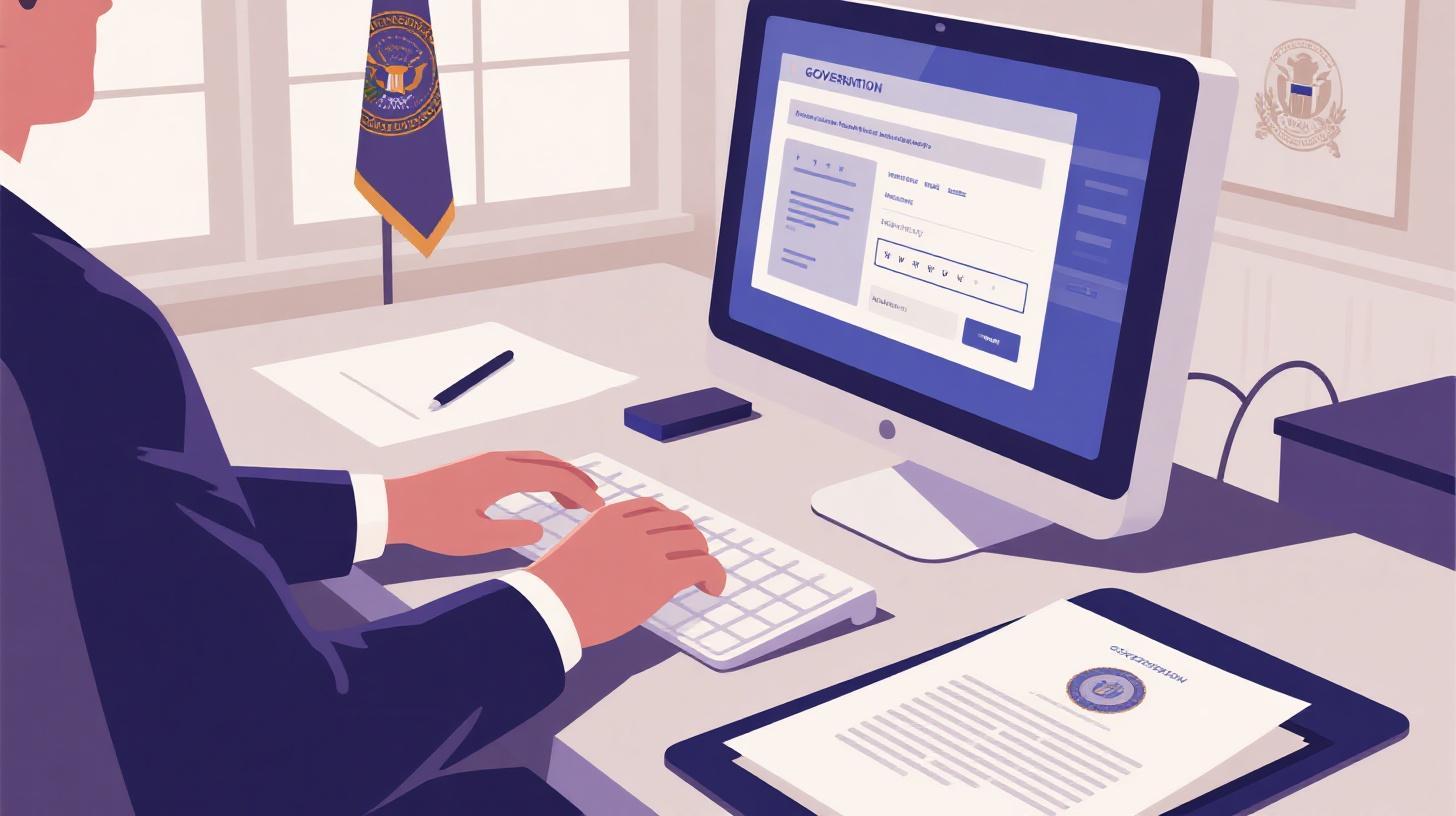
Typing Test Requirements for Government and Civil Service Jobs
Government typing tests vary widely by role and agency. Learn the exact WPM benchmarks, test formats, security requirements, and assessment strategies for civil service hiring.

ADA Compliant Typing Test Accommodations Every Recruiter Should Know
Learn how to design ADA-compliant typing test accommodations that protect your organization legally while creating fair, inclusive assessments for every candidate in your hiring pipeline.
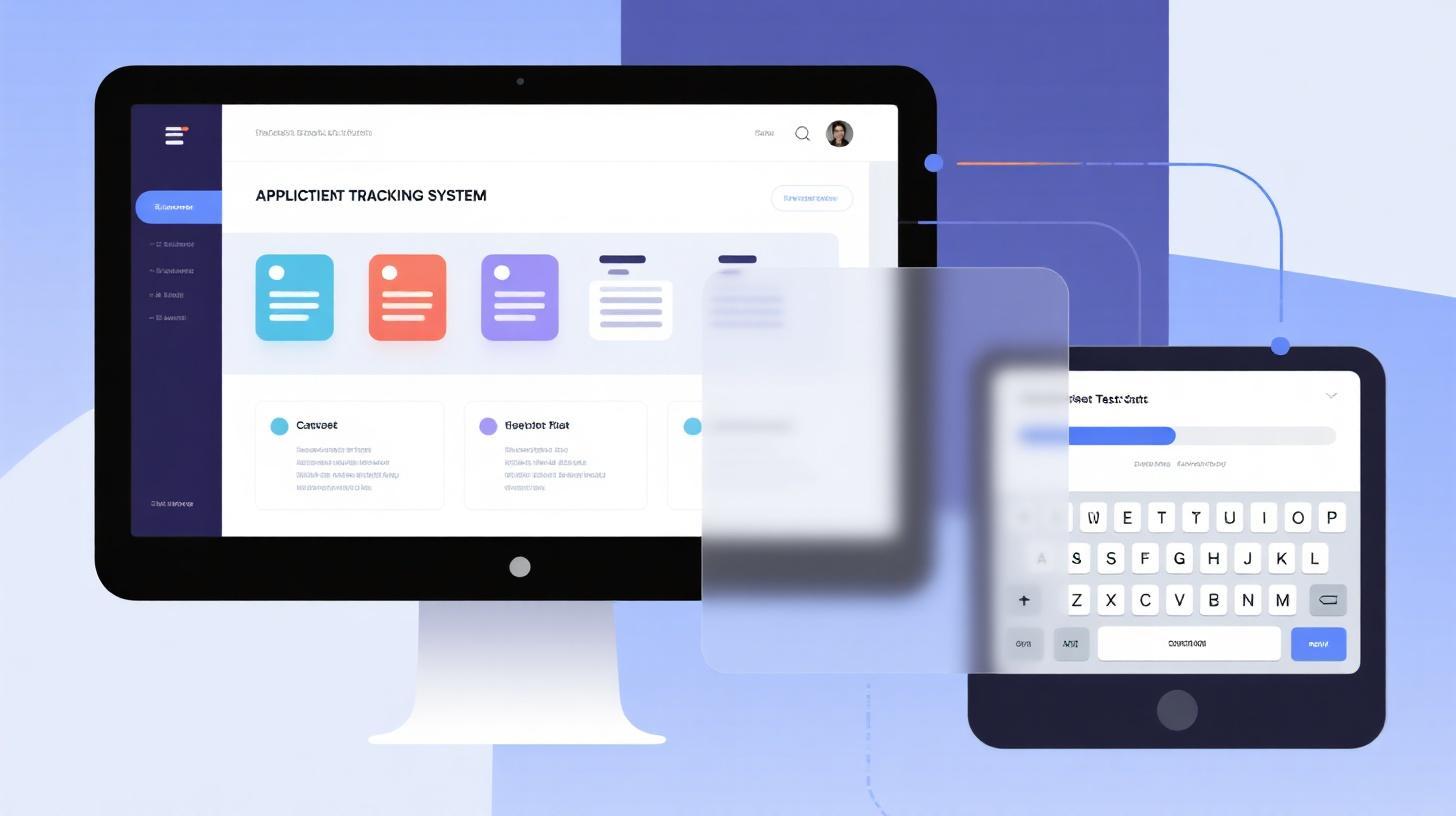
How to Integrate Typing Assessments Into Your ATS Workflow
A practical guide to integrating typing assessments into Greenhouse, Lever, and Workday. Learn the workflow patterns, compliance requirements, and scaling strategies that work.